October 06, 2026


The first warm Saturday in April does something to people. Hillsides that were gray a month ago turn purple with lupine, and suddenly everyone remembers where their hiking boots are. That rush is also the biggest threat to the flowers everyone came to see. Spring blooms grow in thin, wet, easily damaged ground, and the season when they're at their best is the season the soil can least handle feet. Leave No Trace isn't a pledge you memorize once. It's a series of decisions you make on one trail, on one particular day.
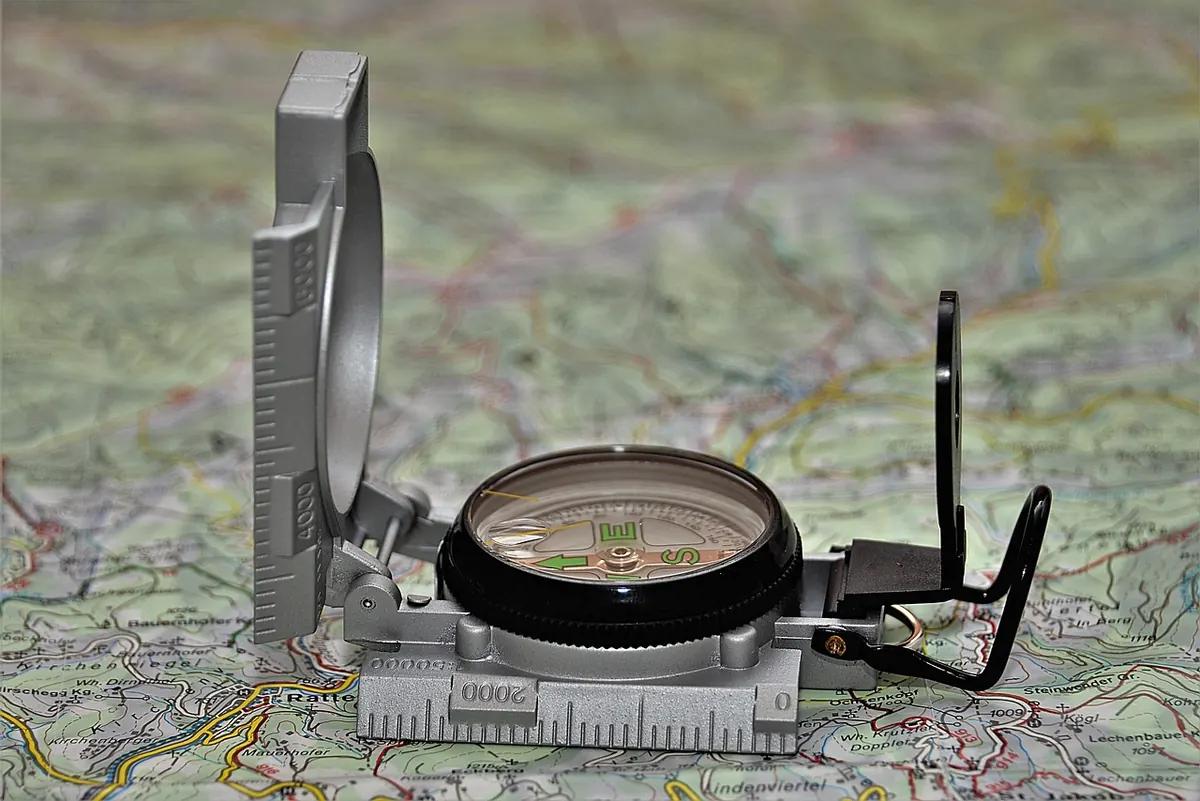
Wildflower season overlaps with the most sensitive weeks of the year on public land. Raptors are on nests, deer are dropping fawns, and meadow soils are still thawing. Land managers respond with seasonal closures, and those closures are often narrower than hikers assume — one cliff band, a single drainage, a meadow loop shut until midsummer. Before you drive, spend five minutes on this:
If anything is unclear, call the ranger district or visitor center. Rules vary by agency and by site, and a two-minute call beats an hour of guessing.
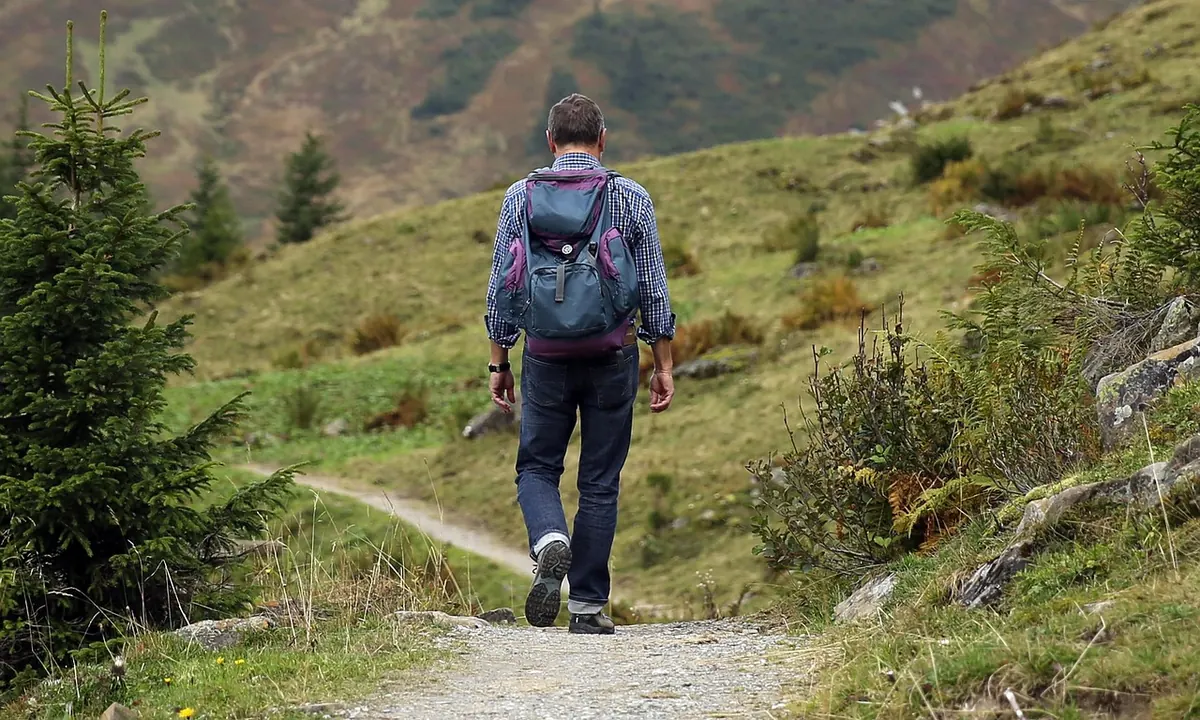
This is the rule that protects the most ground. When a trail turns to bog, hikers start walking beside it, and beside it becomes a second trail. A few wet weeks later you have a braided mess of bare dirt that erodes all summer and washes into the creek below. One person stepping around a puddle does almost nothing. Two hundred people doing it carve a path that lasts for years.
So walk through the mud, in boots you don't mind dirtying. If the trail is genuinely impassable — knee-deep standing water, a washed-out section — turn around or pick another hike. That's the correct call, not a failed trip.
Most of what gets left behind isn't malice. It's an orange peel in the brush, a handful of pistachio shells, a dog bag hung on a branch to grab on the way back. None of it disappears on any useful timeline in a cold, dry spring, and food scraps teach animals to link people with calories. That's how you end up with squirrels chewing through packs and marmots begging at trailheads.
Build a small trash kit before you leave: a zipper bag for wrappers, a sturdier one for anything wet or smelly, and a separate bag for dog waste. Where an area requires packing out human waste, carry the approved bag or trowel system and know the rules first. Burying isn't always allowed.
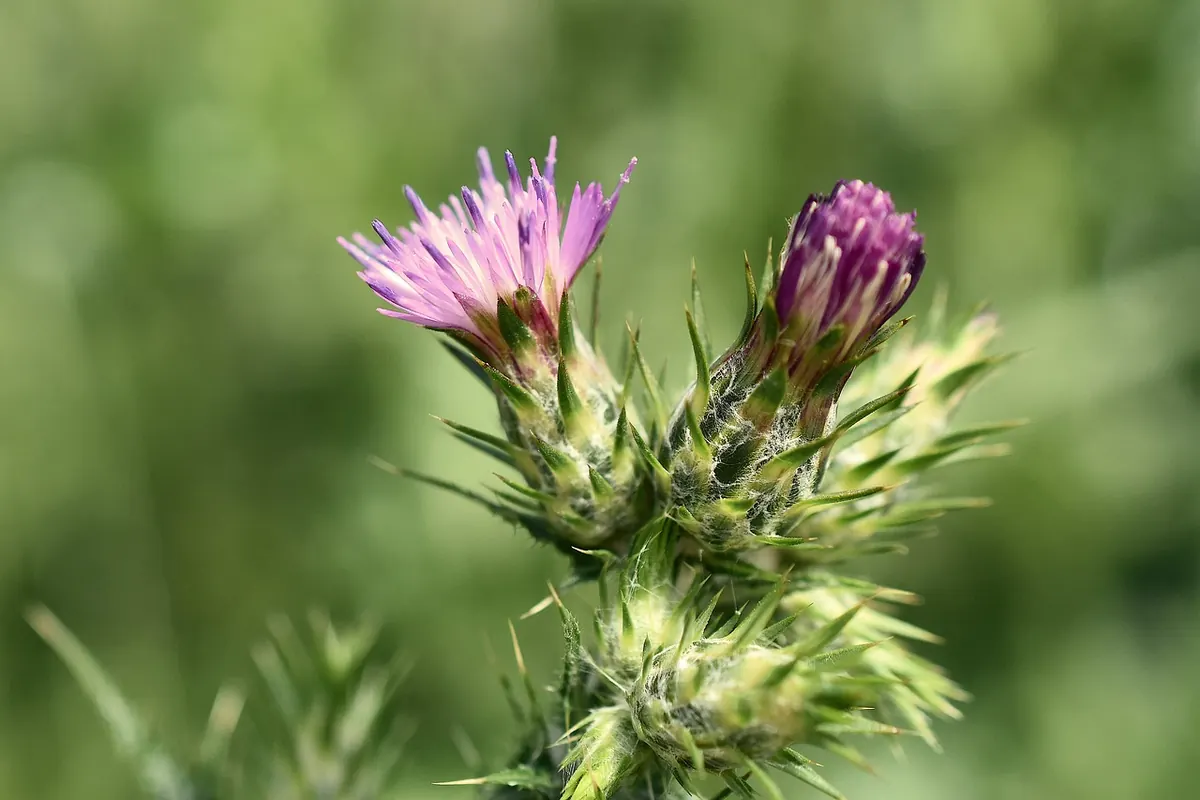
Picking one trillium or one lupine looks harmless. Multiply it by everyone who visits a popular bloom in a single weekend, and you've removed a season of seed production from a plant that may take years to flower again. Some bulbs and orchids don't recover at all once they're dug. Seeds, pods, and even dried stems matter — that's next year's patch.
Photography is where good intentions usually slip. You can get a striking close-up without leaving the trail: use the zoom or a macro lens, kneel on durable ground at the trail edge, and let the light do the work. Don't lie down in a meadow for the angle, don't drape a jacket behind a bloom for contrast, and don't move rocks or lift stems into place. If a shot only works from inside the patch, take the wider frame from the trail and keep walking.
Spring is nesting season, and many birds — killdeer, meadowlarks, some sparrows — nest directly on the ground, which means a nest can sit a few feet off the trail and stay nearly invisible. If a bird flushes and starts calling or dragging a wing, you're too close to something. Back away the way you came and give it a wide berth.
Deer and elk leave young bedded down in grass for hours while they feed nearby. A lone fawn is not abandoned. Don't pick it up, and don't let a dog investigate. Keep dogs leashed or leave them home on nesting routes. Snakes sunning on warm trail rocks deserve a slow, wide step rather than a startled jump. Binoculars let you watch all of it from a respectful distance, which is usually the better view anyway. Pollinators are working the same patch you're admiring, so don't stand in the middle of it.
Crowds do more damage than any single hiker. On a busy bloom weekend, arriving at sunrise or going on a weekday can mean sharing the trail with five people instead of fifty. Hike in a small group and spread out rather than walking shoulder to shoulder, which widens the path. Step onto rock or gravel for lunch instead of the grassy edge. And think twice about geotagging a rare or fragile bloom in real time — one post can send a thousand pairs of boots to a patch that took a decade to establish.
Bloom timing follows elevation and sun. Low valleys and south-facing slopes go first; higher meadows and shaded drainages follow weeks later. Spreading your visits along that progression gives each place a chance to recover.
Run through this at the trailhead and most of the hard decisions are already made:
If any answer is shaky, adjust the plan. The flowers will return next spring. Eroded ground and braided trails take far longer to heal — and the meadow you love is only worth visiting if it's still a meadow when you come back.
Photo: Πασκαλ / Pixabay
A guiding light for outdoor adventures..
Copyright © 2026 Briar Beacon. All rights reserved. Briar Beacon.