October 06, 2026


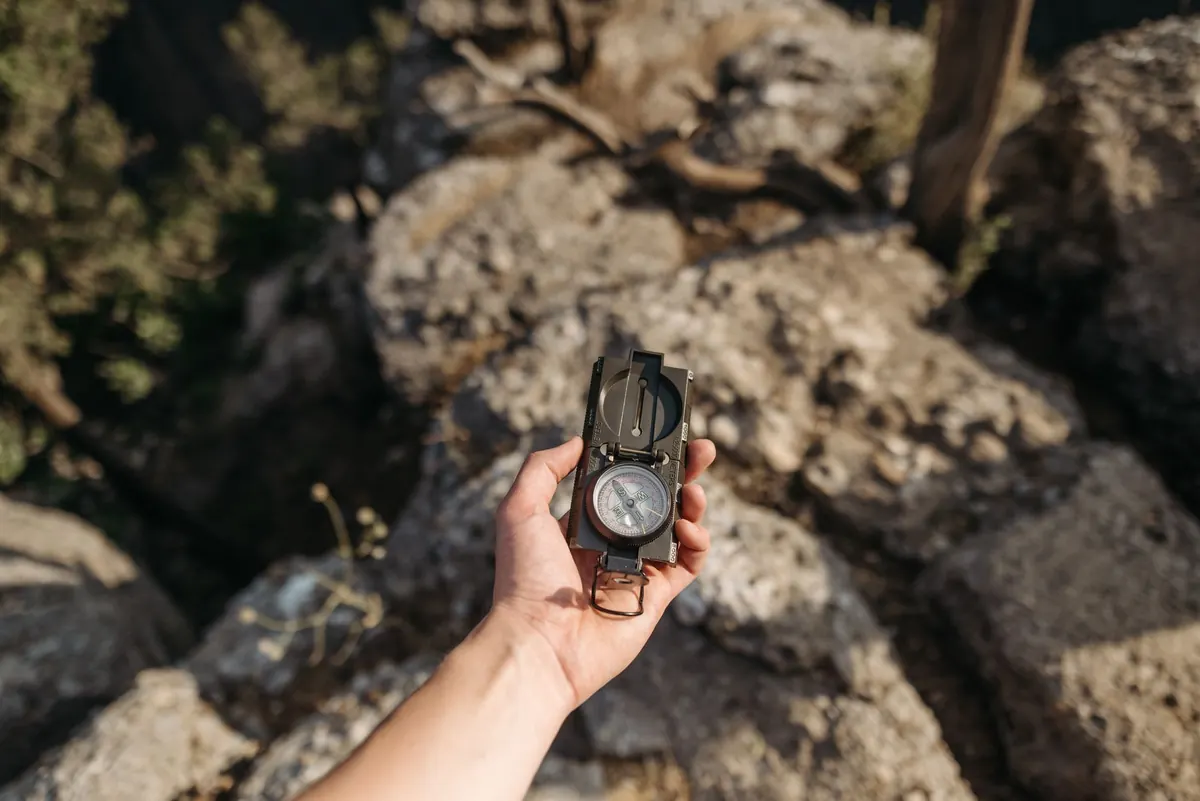
Two hikers meet on a narrow switchback above treeline. One is climbing, breathing hard. The other is coming down fast, boots skidding on gravel. They both stop. They both wave. Nobody moves. Three seconds pass, someone laughs, steps onto a rock, and it's over.
That is how trail etiquette usually works: not a rulebook, just a series of small decisions made in a hurry. Most breaches aren't committed by rude people. They're made by decent people repeating habits picked up on empty weekday trails and applying them on a crowded Saturday. Here are ten mistakes worth fixing, roughly in the order you'll run into them.
The standard rule on most shared trails is that uphill hikers have priority. There are good reasons. Someone climbing is working harder, is often looking at the ground two feet in front of them, and pays a real price for stopping and restarting on a steep grade. A hiker descending already has gravity on their side.
Fix: if you're heading down, start scanning for a wide spot the moment you spot someone below or above you. Step off while you still have momentum rather than braking hard at the last second. Plant both feet, stay visible, and let them pass without breaking stride. Stand on rock, gravel, or bare dirt instead of trampling the plants at the trail edge. If you're the one climbing and the downhill hiker has already stepped aside, take the gift, say thanks, and keep moving.
Coming up behind someone faster than they're walking is the most common source of startled yelps on busy trails. A silent pass at close range reads as a sudden presence, and on a narrow path it can genuinely frighten people.
Hikers yield to stock. A horse or mule is a large animal with its own opinions, and the rider is managing far more than you are. Step off on the downhill side if the terrain allows, stand still, and speak quietly so the animal hears a human voice rather than a sudden shape. Ask the rider what they need; they'll tell you. Mountain bikers are expected to yield to hikers, but giving a rider a clear line when it costs you nothing keeps everyone rolling.
Sound carries differently outdoors. A podcast at moderate volume reaches the next switchback. A phone call in speaker mode reaches three. The person two bends up the trail came out here for quiet, or for birdsong, or for the sound of their own breathing, and they can't opt out of your audio.
Fix: use headphones, or go without. If you keep one ear open for safety, keep the volume low enough that someone speaking behind you is audible. Keep group conversation at a level that doesn't project across a valley. The exception is bear country, where talking and singing are tools; check what local land managers recommend for the area you're hiking. Leave the drone at home unless you've confirmed it's allowed — many public lands prohibit them outright.
A switchback exists because the slope can't handle a straight line. When one person cuts across, others follow the new scar, and within a season there's a raw gully where the vegetation used to hold the hillside. The same applies to walk-arounds at muddy patches and short-cuts between a trail and a viewpoint.
Fix: stay on the built trail even when it feels absurdly indirect. When you stop, step fully off the path onto a durable surface, not halfway into it. Groups are the other half of this problem: eight people strung shoulder to shoulder form a wall that nobody can pass. Hike single file when you see or hear others, and if a faster group catches you, pull over at the next opening rather than making them thread the needle.
Most of what gets left behind was never meant to be litter. It's the stuff people convince themselves is harmless.
Local rules vary more on waste than almost anything else. Read the signage at the trailhead or check the land manager's site before you go.
An animal that lets you approach is not friendly. It's habituated, which usually means someone fed it, and habituated animals tend to become bold, then aggressive, and often end up relocated or killed. Your photo isn't worth that.
A common guideline is at least 25 yards from most wildlife and 100 yards from large animals such as bears and moose, though specific areas set their own distances. If the animal stops feeding, changes direction, or watches you, you're already too close. Store food properly, never leave a pack unattended, don't feed anything for any reason, and follow leash rules — off-leash dogs chase wildlife, get injured, and start conflicts with other hikers. Step back slowly, give the animal an escape route, and let it leave first.
Etiquette on a shared trail isn't about following rules for their own sake. It's a way of saying, without saying it: I see you, and I'm not going to make you move for my convenience. That's the whole thing.
Try one habit on your next hike. Step off early when you see someone climbing. Announce yourself before you pass. Carry out the orange peel. The trail you leave behind is the one the next person gets to enjoy, and the way people treat each other out there tends to travel the same direction.
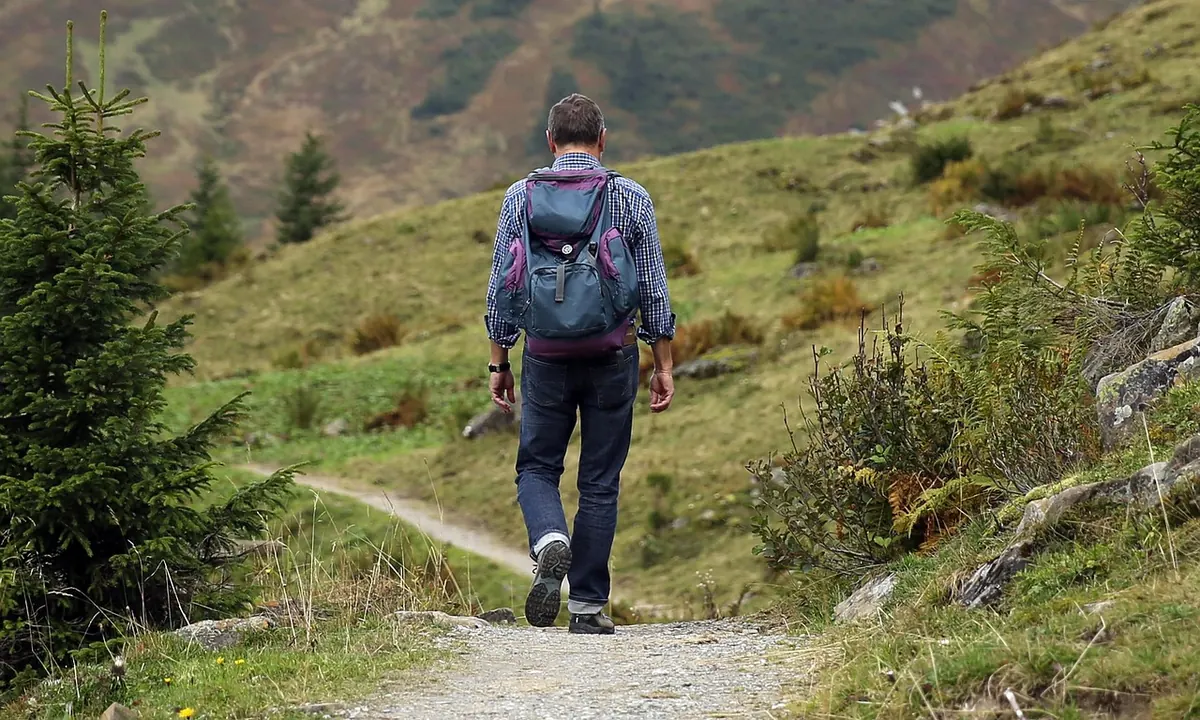
Photo: Cătălin Todosia / Pexels
A guiding light for outdoor adventures..
Copyright © 2026 Briar Beacon. All rights reserved. Briar Beacon.