
November 28, 2026


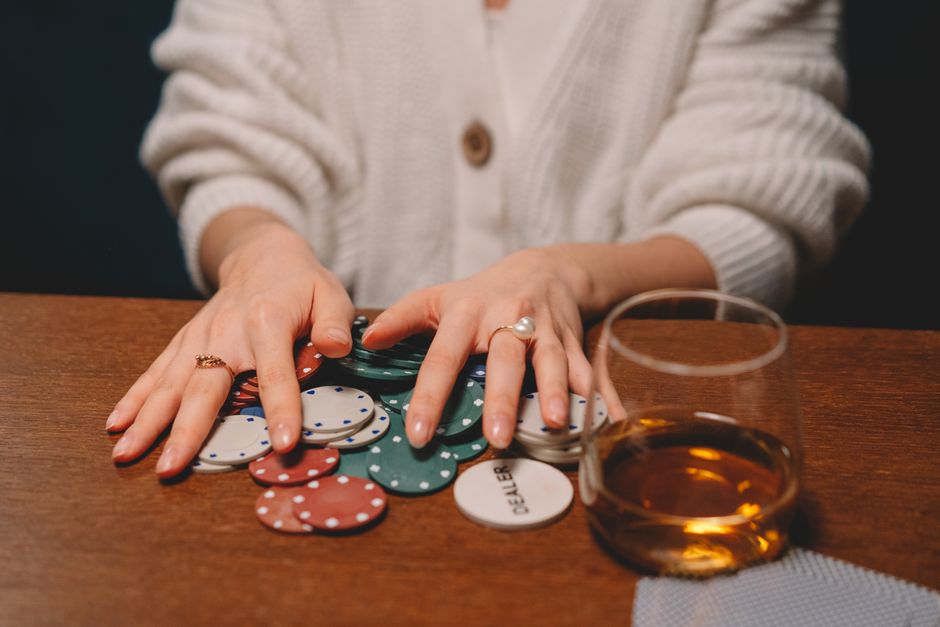

Let’s be honest: most iGaming advice out there is either regurgitated fluff or a thinly veiled sales pitch. You already know that the house always has an edge, that variance is a thing, and that chasing losses is a terrible idea. So what separates the players who actually enjoy the ride—and occasionally come out ahead—from those who burn out in a month? It’s not a secret system or a magic slot. It’s a mindset and a toolkit. Whether you’re spinning reels, bluffing at a poker table, or sweating a parlay, the approach matters more than the game. Here’s the real talk you won’t find in a generic welcome bonus email.
Every slot machine runs on a Random Number Generator (RNG). That means each spin is independent—no hot streak, no cold streak. But here’s what the flashy ads don’t tell you: not all slots are created equal. The key metric is Return to Player (RTP), the theoretical percentage of all wagered money that a slot pays back over millions of spins. A 96% RTP slot returns $96 for every $100 bet, on average. A 92% RTP slot returns $92. Over a few hundred spins, that 4% difference is brutal.
Concrete tip: Before you play, look up the RTP. Reputable casinos publish it in the game’s info panel. Online slots typically range from 94% to 97%. Land-based casinos often set slots as low as 85–90% in some jurisdictions. If you’re playing for entertainment, fine—but if you want a fighting chance, stick to 96%+ games. Also, high volatility slots (like many Megaways titles) pay big but rarely. Low volatility slots pay small but often. Match volatility to your bankroll: a $50 bankroll should avoid $5 spins on a high-volatility slot unless you’re prepared to lose it all fast.
Poker is not gambling in the same way slots are. Yes, luck plays a role in the short term, but skill dominates over thousands of hands. If you’re serious about poker, stop worrying about which starting hands to play and start worrying about position and opponent tendencies.
Here’s a quick primer on three concepts that separate break-even players from winners:
Online poker rooms like GGPoker and PokerStars have HUDs (heads-up displays) and tracking software—but even without them, you can take notes. The biggest leak for most beginners? Playing too many hands and calling too much. Tighten up, be aggressive when you have equity, and fold the marginal stuff.
If you bet on sports, you’ve probably heard “never bet with your heart.” That’s obvious. The real edge comes from two unsexy practices: line shopping and unit sizing.
Line shopping means comparing odds across multiple sportsbooks. A point spread might be -3 (-110) at one book and -3 (-105) at another. Over 100 bets, that 5-cent difference on the juice adds up to hundreds of dollars. Always have accounts at 3–4 reputable books. In the US, that means FanDuel, DraftKings, BetMGM, and maybe a sharp book like Circa or Pinnacle if available. In Europe, Bet365, William Hill, and Pinnacle are staples.
Bankroll discipline: never bet more than 1–2% of your total bankroll on a single game. If you have $1,000, your unit is $10–$20. This keeps you in the game during losing streaks, which will happen. Even a 55% win rate—which is excellent—can produce a 10-game losing streak once every few hundred bets. If you’re betting $100 a game, you’re wiped out. If you’re betting $15, you survive.
Also, avoid parlays unless you’re doing it for fun. The house edge on a 3-team parlay is often 12–15%, compared to 4–5% on a straight bet. Correlated parlays (like a team moneyline and the over) can be slightly better, but they’re still not a smart long-term play.
Welcome bonuses are marketing. They’re not free money. A typical “100% up to $500” offer comes with a 40x wagering requirement on the bonus amount. That means if you deposit $500 and get a $500 bonus, you must wager $20,000 before you can withdraw any winnings from the bonus. At a 3% house edge on slots, you’re expected to lose $600—more than the bonus itself. Further details are available through บาคาร่า.
That doesn’t mean all bonuses are bad. Look for:
My advice: if you’re a casual player, skip the bonus and play with your own cash. The freedom is worth more than the headache. If you’re a grinder, treat bonuses as a side hustle—but track your expected value in a spreadsheet.
Every iGaming veteran has a horror story about a night that went sideways. Usually it starts with a bad beat, then a “I’ll win it back” mentality, then a deposit you swore you wouldn’t make. That’s tilt. It’s the single biggest bankroll killer in casino, poker, and betting.
Here’s a simple rule: if you lose three buy-ins or three unit bets in a row, stop for at least an hour. Walk away. Do something else. The game will still be there tomorrow. Chasing losses is mathematically identical to doubling down on a bad investment—it rarely works and often makes things worse.
Another trap: the sunk cost fallacy. “I’ve already put $200 into this slot session, I can’t quit now.” Yes, you can. That $200 is gone. The only question is whether you want to lose more. Winners are comfortable cutting losses early. Losers keep feeding the machine because they’re trying to break even.
iGaming is entertainment. If you treat it like a job or a get-rich-quick scheme, you’ll be miserable. The smartest players I know set a monthly budget—say $100—and treat it like the cost of a night out. If they win, great. If they lose, they had fun. They never chase, they never borrow, and they never play with money they can’t afford to lose.
That’s the real edge: discipline and self-awareness. Slots, poker, and betting can be exciting, intellectually stimulating, and occasionally profitable. But only if you’re honest with yourself about why you’re playing. Know the math, shop the lines, read the terms, and guard your mental state. Do that, and you’ll outlast 90% of the crowd—not because you’re luckier, but because you’re smarter.

A guiding light for outdoor adventures..
Copyright © 2026 Briar Beacon. All rights reserved. Briar Beacon.