
November 28, 2026


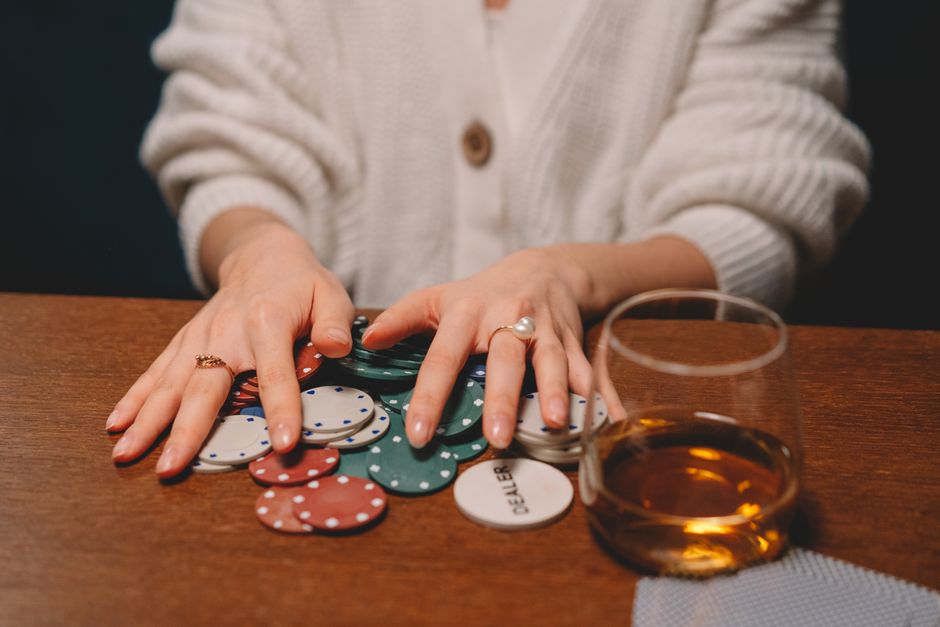

You’ve got $200 and an hour to kill. Do you spin slots, sit at a poker table, or throw it on the Lakers? Most players never stop to think about which game actually suits them—they just chase whatever jackpot screenshot they saw on Twitter. That’s a mistake. Each vertical in iGaming runs on completely different math, psychology, and skill curves. Pick the wrong one and you’re not just unlucky; you’re playing a game that’s structurally rigged against your instincts. Here’s how to tell them apart before you deposit another cent.
Every casino game and betting market has a house edge. That’s the percentage the operator expects to keep over millions of bets. What beginners miss is that the edge only tells half the story. The other half is volatility and speed. A slot machine with a 4% house edge sounds better than a 5.26% double-zero roulette wheel, right? Not if you’re spinning 800 times an hour versus 40 roulette spins. Your expected loss per hour is the edge multiplied by total money wagered. That’s why slots are the most profitable product for casinos—not because the edge is huge, but because you cycle your bankroll so damn fast.
Here’s a quick comparison for a $1 average bet:
Poker is the only major vertical where a good player can have a positive expected value. That’s not opinion—it’s math. In slots, you cannot overcome a 4% edge with better timing or ‘hot’ machines. In sports betting, sharp bettors can beat closing lines, but it takes years of work.
Let’s kill a few sacred cows. ‘Loose slots’ and ‘tight slots’ aren’t random—casinos do adjust payout percentages, but only by a few points, and they never advertise which machines are which. The difference between a 92% and 96% RTP slot is a $4 loss per $100 wagered vs. $8. Over a two-hour session, that’s $50-$100. So yes, RTP matters, but the game’s bonus volatility matters more. A high-volatility slot like Bonanza might pay 10,000x on a single spin, but you can go 300 spins without a win over 5x. Low-volatility games like Starburst hit small wins constantly—perfect for grinding a bonus, terrible if you want a jackpot. Many readers start with 78Win when comparing options.
Another myth: ‘The machine is due.’ Slots use random number generators. Every spin is independent. A machine that hasn’t paid in 12 hours has the exact same probability of hitting the jackpot on the next spin as one that just paid. The ‘due’ theory is why casinos love slots—players who believe it will feed the machine for hours.
Poker is fundamentally different. You’re competing against other players. The casino takes a rake—usually 5% to 10% of each pot up to a cap—but that’s a fixed cost, not a probabilistic edge. A skilled player at a $1/$2 no-limit table can earn $10-$20 per hour long-term. A bad player loses that plus the rake. That spread is why poker has a professional class while slots do not. Anyone weighing up options should see 78 Win.
But poker has its own trap: variance. A winning player can lose 10 buy-ins in a week and start doubting everything. The difference between a winning and losing poker player isn’t luck—it’s bankroll management and emotional control. If you can’t fold a losing hand because you’re ‘pot committed,’ you’re donating to the guy who can. Start with micro-stakes (1¢/2¢ blinds) online. If you can’t beat those, you won’t beat $1/$2 live.
Sports betting feels like you’re outsmarting the bookmaker. Sometimes you are. But the bookmaker sets lines using algorithms and sharp bettors’ money. The public bets favorites and overs; sharps bet underdogs and unders. If you’re betting with your heart—your favorite team, a player you love—you’re the square. The bookie loves you.
That said, sports betting offers something slots and casino games don’t: you can shop for better lines. If one book has the Chiefs at -3 and another has them at -2.5, taking the -2.5 is a free half-point. Over a season, that adds up. Also, live betting lets you exploit momentum swings—but only if you understand the sport deeply. Betting on a team because they’re ‘due for a win’ is the same fallacy as the slot machine being due. It doesn’t work.
If you want entertainment and don’t care about long-term profit, slots are fine—just budget for the cost. If you have patience, discipline, and a competitive streak, poker is your best shot at actually winning. If you follow sports closely and can separate emotion from analysis, sports betting can be profitable with line shopping and volume discipline. The worst combination is playing slots with a poker mindset (‘I’m due for a big win’) or sports betting with a slot mindset (‘I just need one big parlay’).
Here’s the uncomfortable truth most iGaming sites won’t tell you: the house always wins on average, but averages include you. Your personal result depends on game selection, bankroll management, and emotional control. None of those are random. Pick one vertical, learn its math cold, and treat every session like a business expense—not a lottery ticket. That’s how you stay in the game long enough to actually enjoy it.
A guiding light for outdoor adventures..
Copyright © 2026 Briar Beacon. All rights reserved. Briar Beacon.