
November 28, 2026


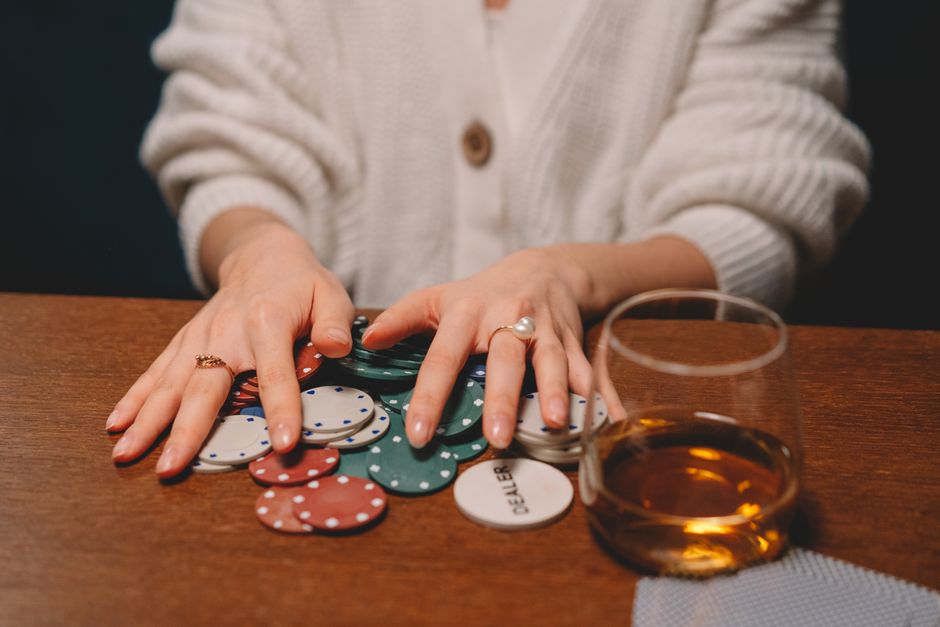
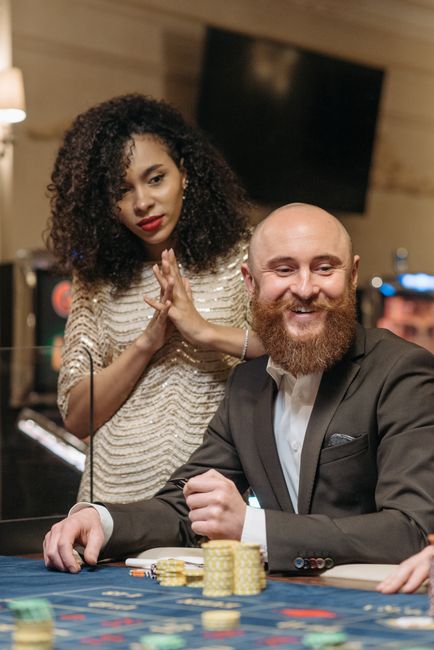
Every gambler has heard the same tired line: the house always wins. It's true in the long run, but it hides a far more interesting truth. The games you choose, and the way you play them, swing your odds more than most people realize. Some casino games are pure coin flips dressed in fancy lights. Others reward study, patience, and reading your opponents. Knowing which is which is the single most valuable skill in iGaming.
Let's break down where luck ends and skill begins across slots, table games, poker, and sports betting.
Slots are the bread and butter of online casinos, and for good reason. They're simple, fast, and require zero decisions once you hit spin. That's also why they're the most luck-dependent games in the building.
Modern video slots run on Random Number Generators (RNGs). Every spin is independent. A machine that hasn't paid out in three hours is not "due" for a win. This is the gambler's fallacy, and it drains more bankrolls than bad luck ever has.
What you can control is your choice of game. Here's what actually matters:
The only "skill" in slots is bankroll management. Decide your session budget before you load the game, and treat every spin as entertainment spending, not investment.
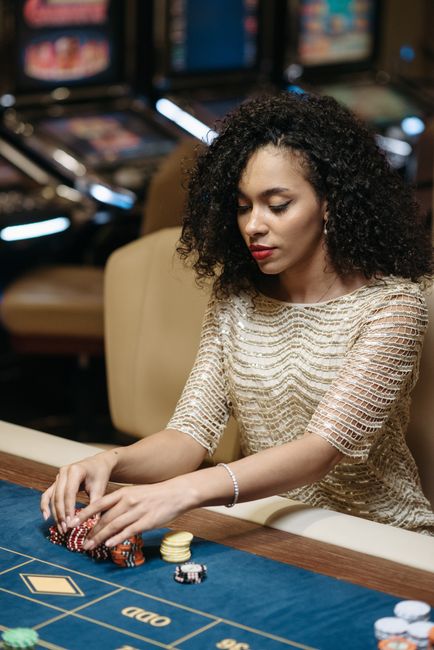
Blackjack, baccarat, roulette, and craps look similar from the outside, but their house edges vary wildly. Roulette is almost pure luck, with a 2.7% house edge on European wheels and 5.26% on American wheels (thanks to that extra double-zero). Choosing the European table is a decision that saves you real money over time.
Blackjack is different. Yes, the cards are random, but your decisions aren't. Basic strategy, a mathematically derived set of rules for every hand combination, cuts the house edge to around 0.5% when played on a favorable table. Learn when to hit, stand, double, and split, and you'll be playing one of the closest fair games in the casino.
Craps has some genuinely great bets hiding in plain sight:
Betting the pass line with odds is a strategy, not a guess. That's the dividing line. Readers looking for specifics may like FUN88.
Poker is the outlier. You aren't playing against the casino, you're playing against other people. The house just takes a rake. That changes everything.
In the long run, skilled poker players profit. The variance is enormous in the short term, but over 100,000 hands, the better player's edge becomes undeniable. The skills that matter are learnable:
Online poker specifically rewards the disciplined. Tools like HUDs (where permitted) and hand history reviews accelerate learning in ways live players can't match. Take a look at FUN 88 for a fuller picture.
Sports betting sits somewhere between poker and slots. The bookmaker builds a margin into the odds, typically 4% to 6%, so casual bettors lose slowly. But informed bettors can find spots where the book has mispriced an outcome.
The bettors who win consistently share a few traits. They specialize in one or two leagues rather than betting everything. They track closing line value, comparing the odds they took to the odds just before kickoff, as a proxy for whether they beat the market. They treat sports betting like an investment portfolio, not a lottery ticket.
Public favorites are usually overbet, which means the value often sits on underdogs or less glamorous markets like player props, corners, and totals. If you're just betting your favorite team to win, you're paying a premium for entertainment.
Across every iGaming vertical, one truth holds. The games with the lowest house edge still bankrupt players who bet too big. The games with the highest house edge still let disciplined players enjoy long sessions.
Set a session limit. Split your overall bankroll into at least 20 sessions. Use stake sizing that fits the volatility of your game, meaning higher buy-ins for low-volatility games, smaller for high-volatility. Track results in a spreadsheet or app, because memory is a liar and will remember the wins and forget the losses.
And know yourself. If you're playing to escape stress, deposit limits and cool-off periods are features, not signs of weakness. Reputable platforms offer them because they know sustainable players are better customers.
Slots are luck. Roulette is mostly luck with a decision about which wheel to play. Blackjack and craps reward knowing the math. Poker and sports betting reward study, discipline, and mental toughness over thousands of hands and games. None of them are a path to guaranteed income, and anyone selling that fantasy is selling something else entirely.
The smartest approach in iGaming isn't hunting for a secret trick. It's understanding the odds of each game, picking the ones where your decisions actually matter, and managing your money like the long game it is. Luck decides tonight. Skill and discipline decide the year.
A guiding light for outdoor adventures..
Copyright © 2026 Briar Beacon. All rights reserved. Briar Beacon.