November 28, 2026



Every gambler has heard the old line: the house always wins. It is true in the aggregate, and yet millions of people still sign in every evening to spin a slot, chase a bad beat jackpot, or sweat a Sunday accumulator. That contradiction deserves more respect than a lazy warning label. The modern iGaming world is a strange, fascinating ecosystem where math, psychology, entertainment, and a little bit of hope collide. Understanding how it actually works — not just that it works against you — is what separates people who enjoy the ride from people who resent it.
Let us start with the least fun part, because it makes everything else make sense: house edge. Every casino game has a built-in mathematical advantage for the operator, and it is not hidden. It is published in the game rules if you bother to look.
That last point matters more than people realize. Poker and sports betting are the two big iGaming verticals where player skill moves the needle in a real way. Slots and roulette are entertainment products with a fixed cost per hour. If you go into a slot session understanding you are paying for the experience, disappointment becomes almost impossible.
Random number generators are not the glamorous part of slots, but they are the honest part. Every spin is independent. The machine you just watched pay out a jackpot has exactly the same odds on the next spin as the one that has been cold all night. Streaks, hot machines, cold machines — these are stories we tell ourselves to make randomness feel controllable.
What is worth paying attention to instead:
A responsible slot player picks a fixed budget, picks a volatility that fits it, and treats the money as spent the moment it hits the account. Anything that comes back is a bonus, not a recovery. Further details are available through musang4d.
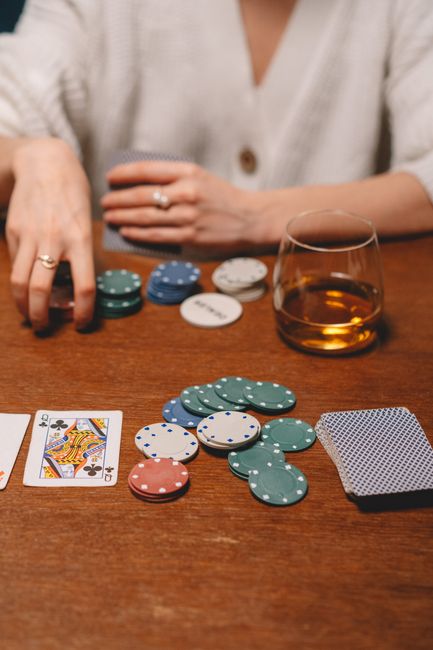
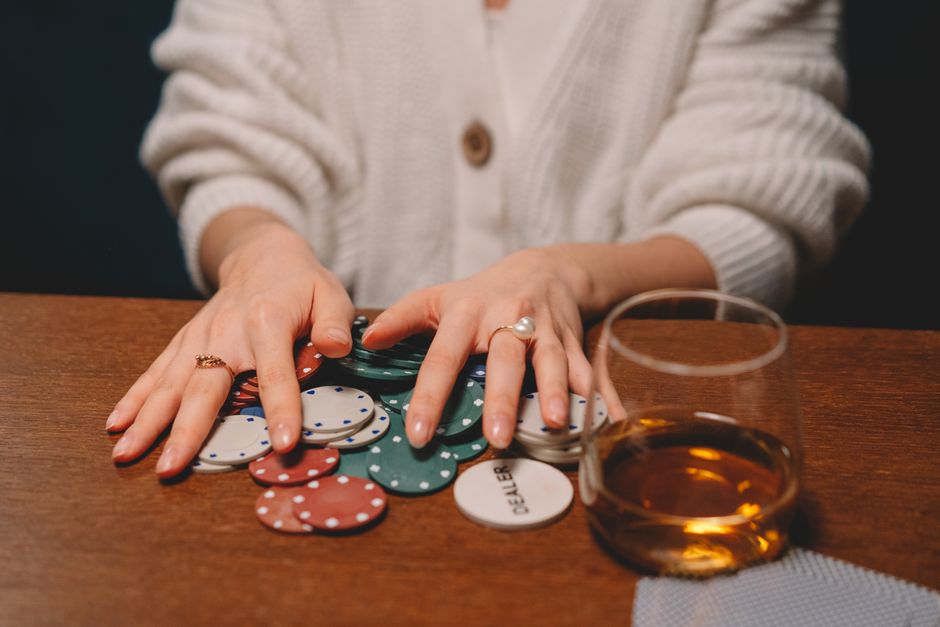
Poker deserves its own section because it is the one major iGaming category where the better player wins over time. Online poker rooms run on speed and volume — you will see more hands in an hour than a live player sees in a day. That cuts both ways: it accelerates your learning curve, and it accelerates your losses if you are playing badly.
A few things that separate profitable players from the rest:
And if online poker sounds intimidating, start at the micro stakes. The players are not all fish, but the cost of your mistakes is at least manageable.
Sports betting is the fastest-growing part of iGaming, and it is also where casual players get hurt by the details. Two areas deserve special attention.
First, odds and line movement. A price of 1.90 (decimal) versus 1.95 on the same event might look trivial, but over hundreds of bets it is the difference between a winning and a losing year. Line shopping across sportsbooks is a genuine edge., and it costs nothing.
Second, bonuses. Welcome offers sound generous until you read the wagering requirement. A 100% match bonus with 40x rollover and a 30-day window is not free money; it is a task you have to complete, often on games with a higher house edge than you would otherwise play. A few questions to ask before accepting any bonus:
If the answers feel like a maze, the honest move is to skip the bonus. A clean deposit with no strings attached is often worth more than a flashy offer you cannot clear.
Every article on iGaming ends with responsible gambling advice, and most of it is vague. Here is a version that is not. Decide, before you log in, what the money you are depositing is for. If it is entertainment money — money you would happily spend on a concert or a nice dinner — then the whole experience is consistent. If it is money that matters somewhere else in your life, no game, no odds, and no bonus is going to treat it kindly.
Set time limits, not just deposit limits. The slot session that starts at 9pm can quietly become a 3am problem. Use the tools every regulated operator is required to offer: deposit caps, session reminders, reality checks, and self-exclusion. None of that is a sign of weakness; it is just what grown-ups do with any hobby that can get expensive.
Because at the end of the day, the house edge is real, the RNG is fair, and the math does not care how you feel. But you can still enjoy the spin, the bluff, and the last-minute goal. The trick is going in knowing exactly which one you are paying for — and being okay with the price.

A guiding light for outdoor adventures..
Copyright © 2026 Briar Beacon. All rights reserved. Briar Beacon.